← → arrows · space · click edges · F for fullscreen
H
W
M
Mastering the record. Mastering the business.
Howie Weinberg — Keynote & Masterclass TAIPEI MUSIC EXPO · TMEX 2026 · AUG 27–30 · TAIPEI MUSIC CENTER
1977 · New York City
It started in the mailroom
Masterdisk, NYC. The first messenger they ever hired. Delivering tapes by day — cutting dubs all night.
The apprenticeship
"We need copies TODAY — worldwide release." Ten hours of one-to-one dubs, shipped to every territory on earth. "I was the first guy ever to hear Saturday Night Fever."
The mentor
Bob Ludwig — for a year, Howie recreated Bob's sessions at night from his notes, by hand, no automation. "He handed me the keys to the store."
1981 · First mastering room
I mastered what the old guys wouldn't touch
New formats were exploding — hip-hop, rap, heavy metal — and the established engineers weren't receptive. So the new kid took it all.
1981
"This is your room. Go."
The studio handed the new kid a lathe and a room of tired old gear. "I hardly knew what I was doing. So I winged it."
Early hip-hop
The guy who made the plates
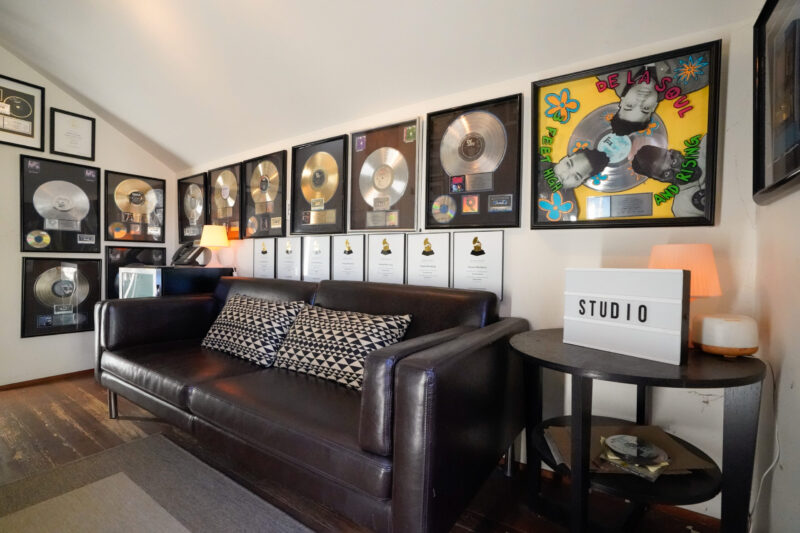
It started with Kurtis Blow. Then Russell Simmons and Rick Rubin kept sending more — Run-DMC, LL Cool J, Beastie Boys, Public Enemy, De La Soul.
The lesson
Say yes to the new
The genre nobody wanted became a career-defining catalog. Opportunity looks like extra work.
Listening moment · 01
The records
"Back then the records could sound raw and powerful."
Seventeen of the biggest singles he mastered — the feed scrolls by itself. Hover to pause, press play on anything.
A catalog that shaped modern music
NirvanaBeastie BoysPublic EnemyRun-DMCLL Cool JSlayerMetallicaPanteraThe ClashRamonesU2Sonic YouthPixiesThe CureSmashing PumpkinsSoundgardenJeff BuckleyDeftonesMuseRage Against the MachineRed Hot Chili PeppersPJ HarveyThe White StripesGorillazThe KillersMariah CareyPrinceJames BrownHerbie HancockTwenty One PilotsThe Black KeysThe LumineersRushDef LeppardTom WaitsSheryl CrowGarbageDisturbedZZ TopMy Chemical Romance
8,600+ CREDITS · ROCK / HIP-HOP / POP / METAL / ALTERNATIVE · 1977 → TODAY
Listening moment · 02
Nevermind, 1991
The band showed up four hours late — the record was already mastered. "They sat down on the big system, we played it top to bottom, and at the end: 'Wow. This is f***ing great.'" The first 10,000 CDs shipped without the hidden track. In 2017, "Smells Like Teen Spirit" entered the Grammy Hall of Fame.
War stories from the console
Every record has a story
U2 · Pop
The two-week save
"We spent almost two weeks mastering. That was kind of a save record... We took the extra time to make it sound great."
Pantera
The bit-depth shootout
The band brought mixes in 16, 20 and 24-bit. They listened. The 20-bit won — "the happy medium." Trust ears, not spec sheets.
The famous spot
The KRK sweet spot
A listening position so precise "it's as if you're listening with headphones." Big artists were drawn to that exact spot in the room.
"Mastering is the last opportunity to do anything creative on the record — and the first stage of manufacturing. Think of it as 2-track mixing. Sometimes it's just me adding a little more spice — some salt and pepper."
— Howie Weinberg
"Mastering doesn't make hits. It's already a hit before I get it — or it's not. What I can do is make it competitive: play it against any record out there, and it doesn't fall apart."
— On what mastering can (and can't) do
Back in the day
Cutting lacquer, no undo button
Before digital, mastering a vinyl side happened in real time. One pass. EQ changes programmed between tracks, on the fly, while the lathe carved music into the mold.
Real-time craft
"Mastering each side of the record was equivalent to doing a 20-minute remix without fault or variation. There was incredible training involved."
The mission
"The point of mastering back in that era was to get really good sounding music onto a piece of really shitty vinyl."
The eternal question
Analog
Warmer top, punchy bottom — "everything is in your face, tight and powerful"
Coloration is the character — Neves, Pultecs, valve EQs each have their own magic
Bass is "a little tighter, a little more roundness"
But: less overall stereo width, and the color isn't always what the record needs
VS
Digital
Least coloring — closest to what was played in the studio
Precision, recall, resolution — 24-bit captures the live feel best
"A little less punchy, but it can sometimes feel almost more exciting"
But: can sound "almost too clean, too perfect"
The verdict after 40 years: "I don't think the format is all that important anymore." Great records come from both.
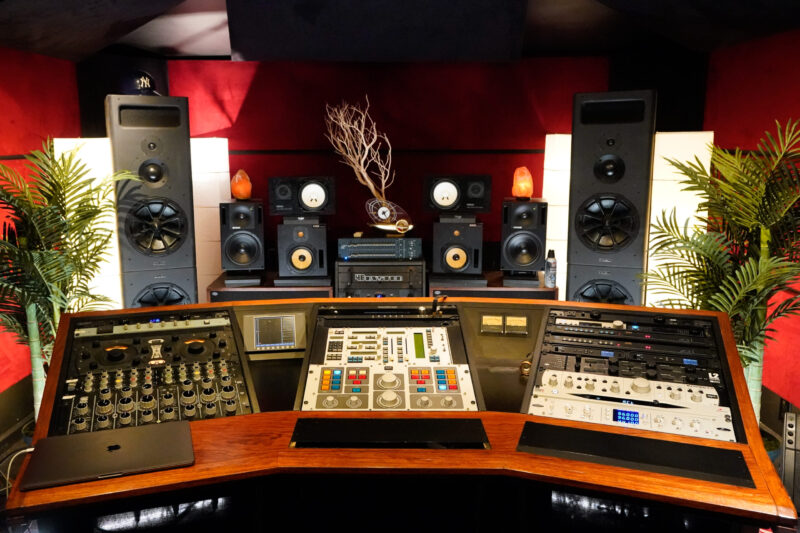
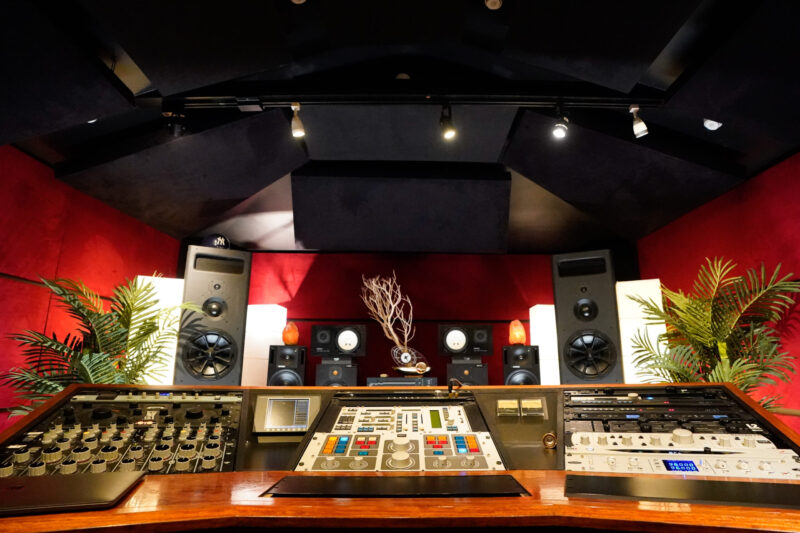
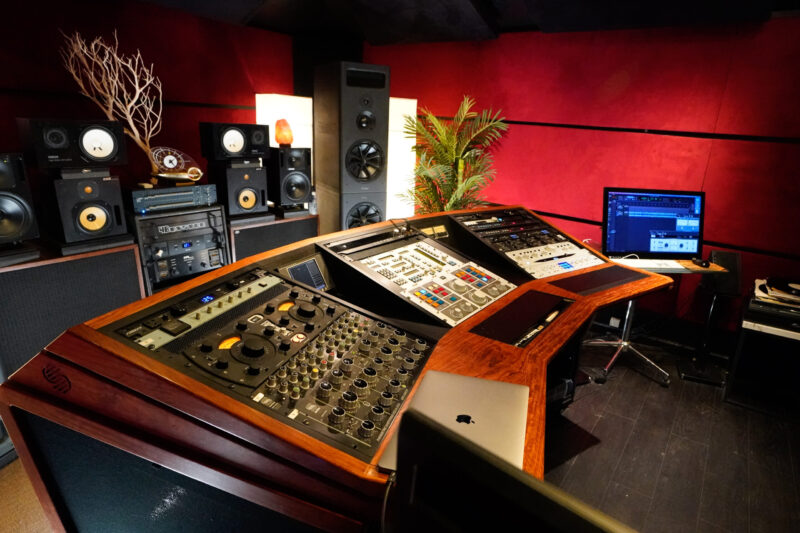
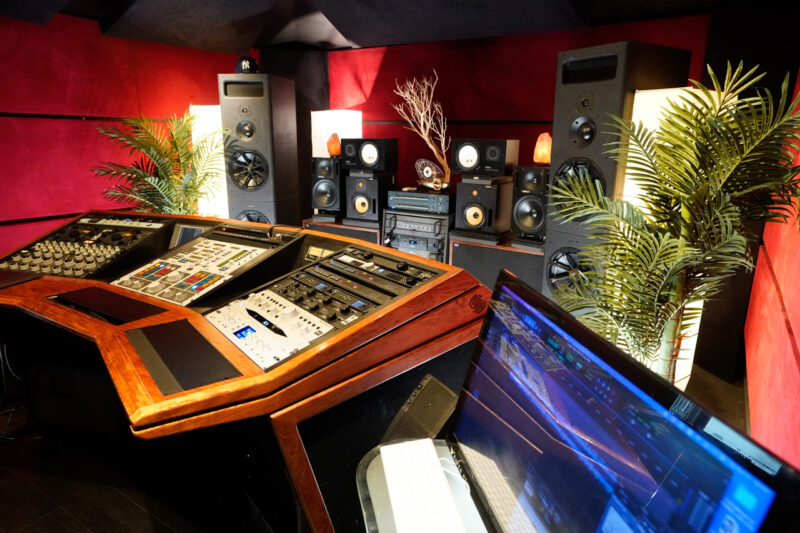
Full-range towers from PMC's Prophecy line, driven by Bryston 4B power. The big picture — where every master starts.
02 · The reference
KRK V8
"KRK has always been the number one speaker… Those V8s sound so good. They hit really hard, with incredible bottom-end."
03 · The truth-teller
Yamaha NS-10M
The pro-room classic. If a master survives the NS-10s, it survives anywhere.
04 · The reality check
Genelec & small boxes
Plus car-type speakers and computer monitors — how it feels in the real world. If it works everywhere, it works.
Work down the wall, big to small — "no system is truer than another; it's the one you've heard a thousand records on." And loud isn't a master: streaming normalization ended that war.
"It's important not to place too much emphasis on equipment. Everyone can make great-sounding records — gear is so good and so cheap these days. When it comes down to it, it's always going to be about what is in-between your ears."
— Advice to every young engineer
The business, then → now
1977
The label era
Masterdisk NYC. Labels booked the rooms, budgets were deep, vinyl was king and every release passed through a handful of mastering houses.
1990s
The CD gold rush
Catalog remasters, the loudness race begins, mastering becomes a competitive credit — the engineer's name starts selling records.
2011
Betting on yourself
Howie leaves Masterdisk after 30+ years and opens Howie Weinberg Mastering in Laurel Canyon, LA — his name on the door, majors and indies alike.
Today
The stream economy
91B+ streams. "The biggest producer in the world and the guy in his garage have the same gear now — you can make great records anywhere." Immersive/Atmos opens the next frontier.
Tips & tricks · The client side
How to work with clients now
01Know who's in the room. Artist, producer, engineer, A&R, manager — everyone can be involved. Learn whose ears make the final call before you touch a knob.
02Direction beats isolation. "I prefer to have some kind of direction — sometimes they show me exactly which sounds should be brought out."
03Deliver both worlds. Cut an analog-chain master and a digital-chain master. Let the client hear the difference and choose.
04The project dictates the time. Two days when the budget allows, one when it doesn't — know which clients need the break.
05Respect the mix — do no harm. Often the artist loves the mix. Your job is salt and pepper, not a new recipe.
Tips & tricks · Before you send your mix
Make your master easy to love
Headroom
Leave room to work
Don't crush the mix bus. A master can always get louder — it can't get dynamics back.
References
Bring references
Two or three records that sound the way you want to feel. It's the fastest conversation in audio.
Resolution
Highest-res files
Send the real mix, full resolution, no limiter "demo" version — and label everything.
Communication
Say what you hear
"Too dark," "vocal buried," "more punch" — plain words are enough. The engineer translates.
Trust
Then let go
You hired experienced ears. Give notes, then let the room do its job.
Study
Listen back in time
"Listen to records done in the early '80s and compare them to now — mastering hasn't changed all that much."
Teaching moment · Fix it in the mix
What mastering can't fix
Tonal
Kick vs. bass
Too much low end usually means the kick/bass relationship is off. Fix the relationship — not the EQ.
Tonal
The too-bright trap
An overly bright mix sounds exciting at first — then thin and fatiguing. Mastering can only partially tame it.
Tonal
Dull vocal, bright cymbals
The hardest balancing act to correct at mastering. It almost always needs a mix revision.
Tonal
Sibilance
If you think it might be a problem, it definitely is. De-ess before the mix leaves your room.
Dynamics
Overcompression
Kills the groove and the stereo image. Upward compression at mastering is a band-aid on a wound that needs a mix revision.
Dynamics
Saturation pushed too far
Wonderful tool — until it hardens the top end. That harshness is very difficult to correct in mastering.
"Everything can be lowered. We can't fix it — but we can make it less apparent."
Teaching moment · The habits that hurt your record
Common mix sins — and their fixes
01
Chasing loudness
Truly loud records are mixed to be loud — built around compression from the ground up, not made loud in mastering.
02
Mixing into a limiter
You're making the mastering decisions blind — and taking away the tools that would make it louder, better.
03
Reference extremes
Copying a reference too hard — or using none at all. Both lose the plot.
04
Too much stereo width
Great in headphones, falls apart in the real world — clubs, cars, mono PA systems.
05
Great speakers, bad room
Tune the room before buying gear. Untreated rooms send mixes with too much sub bass — or none at all.
06
Sending it unfinished
Mastering is finishing, not fixing. If the mix isn't finished, neither is the master.
Teaching moment · Headroom
Don't pre-master
"Why would you peak limit a track if you're using a professional mastering engineer? Files should only be peak limited once — by me. After that they're digitally fragile."
— Howie Weinberg
Headroom
Leave a couple of dB
Room for a level or EQ ride at the master. A file slammed to 0 dBFS has very limited processing options left.
Send both
Reference + flat file
Send the approved client-reference mix for context — but the flat, unprocessed file usually becomes the master. Built your mix on bus processing? Leave it in; it's part of the mix. Unsure? Send both versions and talk.
The CLA standard
6 dB of headroom
"When I get a Chris Lord-Alge mix, he leaves 6 dB for the mastering engineer to figure out the best way to make it LOUD AF."
Four decades of sessions
With the best of the best
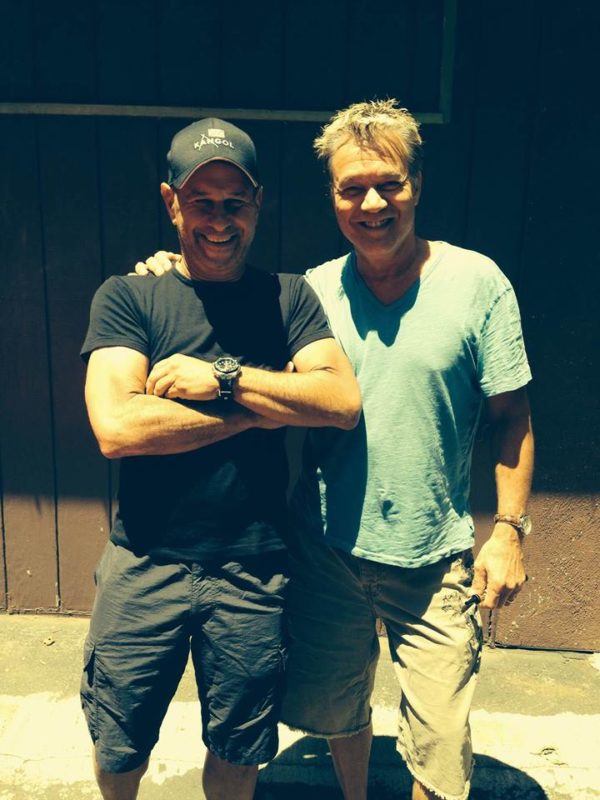
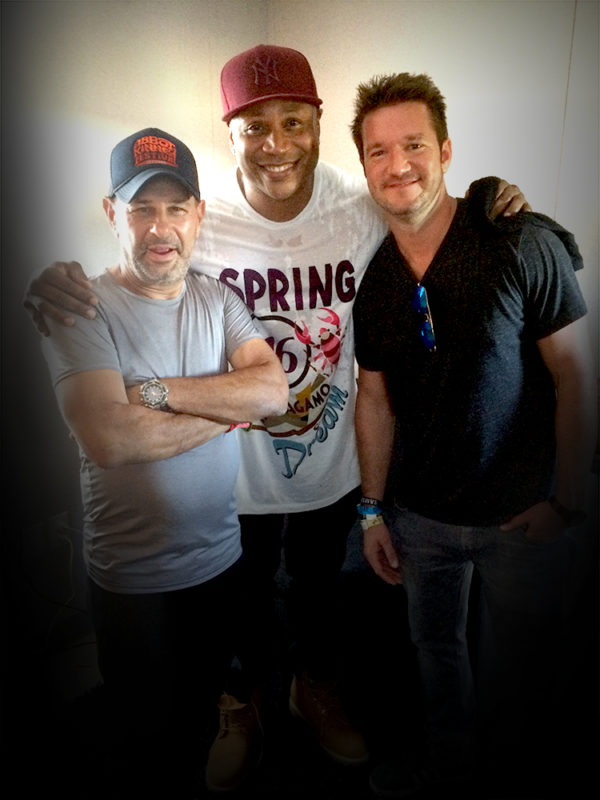
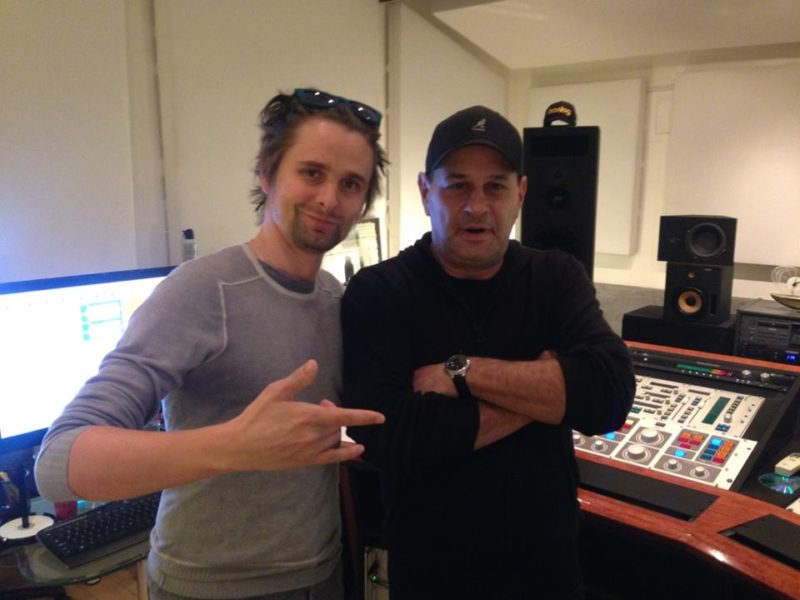
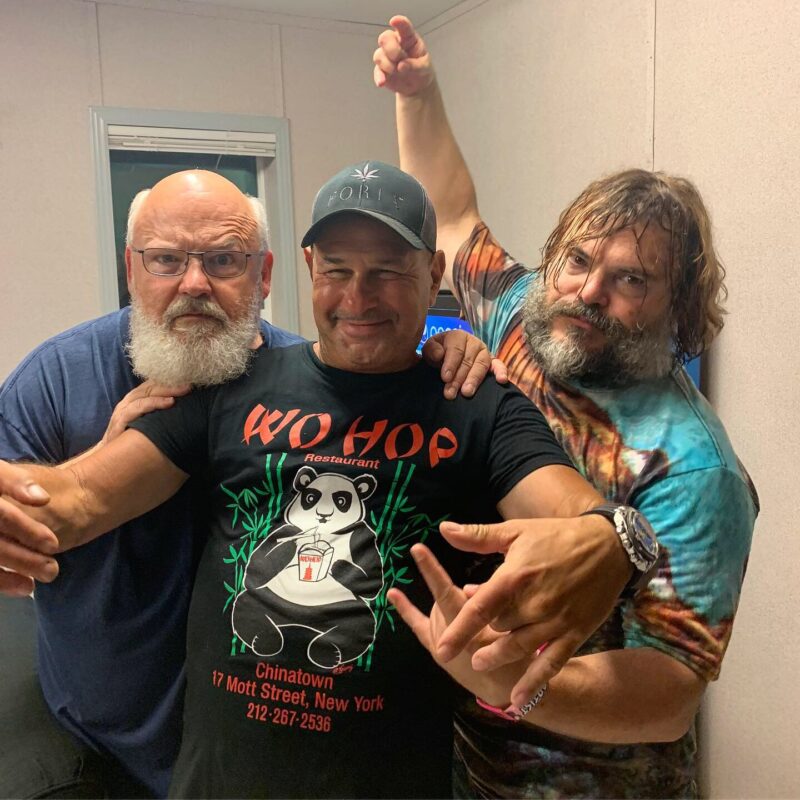
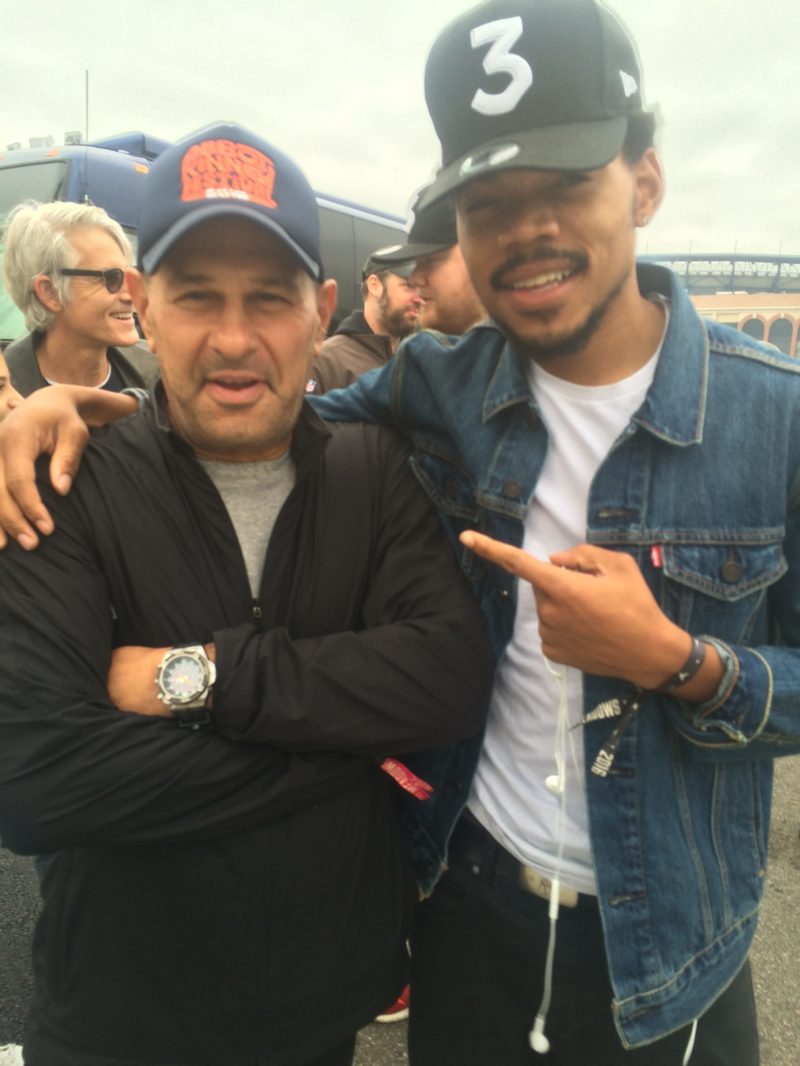
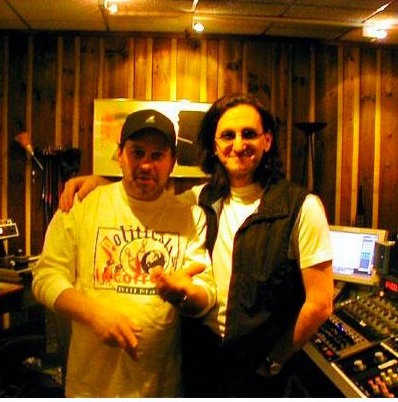
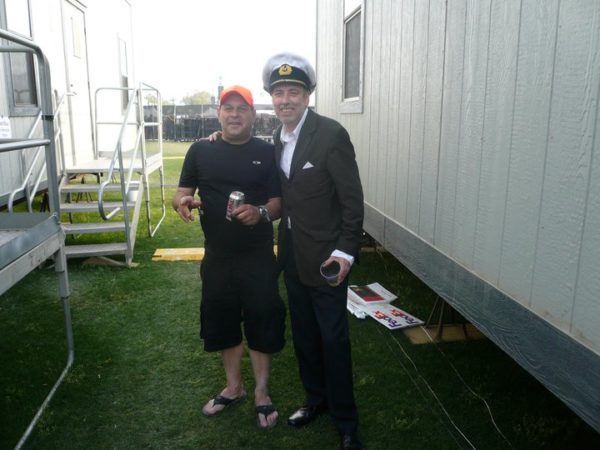
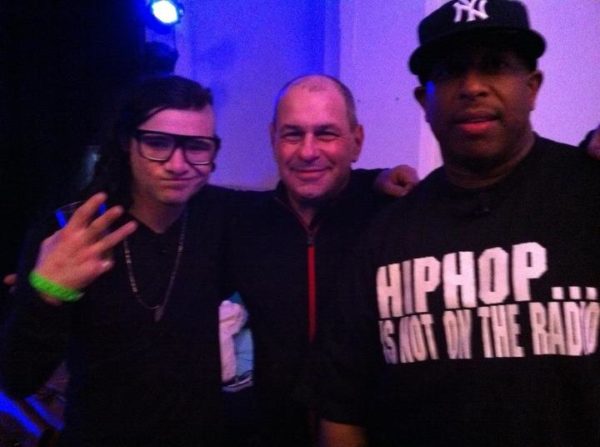
Eddie Van HalenBjörkLL Cool JDamon AlbarnMatt Bellamy · MuseTenacious DChance the RapperGeddy Lee · RushMick Jones · The ClashSkrillex · DJ Premier
The studio today
Passing it forward
The mailroom kid became the mentor. Today the Laurel Canyon studio passes the craft forward — every project, "big, small or gigantic, gets the same vibe, the same creativity."
Formats
Stereo · Vinyl · Dolby Atmos / immersive — every release, every platform, one sonic identity.
The room
Laurel Canyon studio — "the most advanced digital and analog equipment in the world," serving major labels and independent artists alike.
Where the road has led · so far
Forty years, in numbers
0
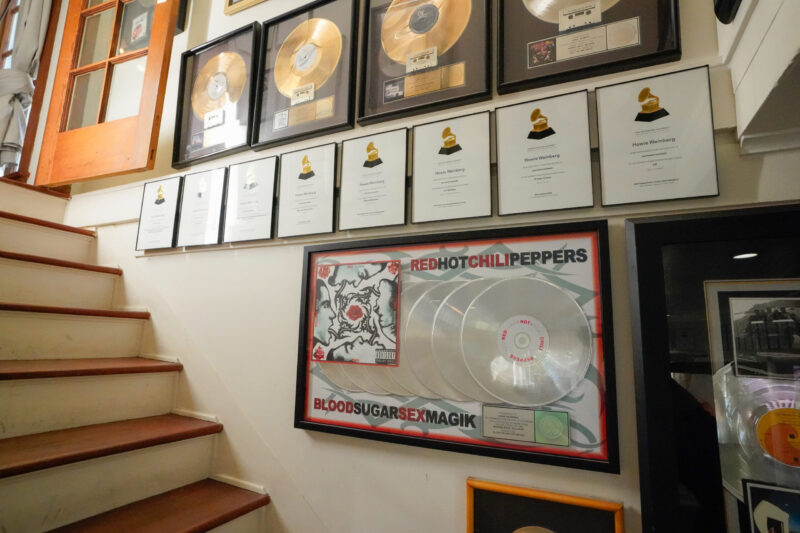
Grammy Awards
0
Grammy Nominations
0
Gold & Platinum — one of a kind
0
Total Streams
0
Credits
0
TEC Awards
0
Juno Awards
0
Mercury Prize
Every one of these started in a mailroom. They're not the point — the records are. But they're proof the craft still matters.
One more thing · Howie Weinberg × Metric Halo
Howie's179-120 NTP
An exact recreation of the legendary stereo compressor developed in 1975 for the first Neumann mastering consoles — the SP 75 and SP 77. A staple for Bob Ludwig and Howie on countless records through the '80s and '90s.
The sound
Big & smooth
"One of the finest-sounding stereo compressors ever produced."
The role
Unobtrusive bus glue
The perfect stereo bus compressor — holds the record together without ever announcing itself.